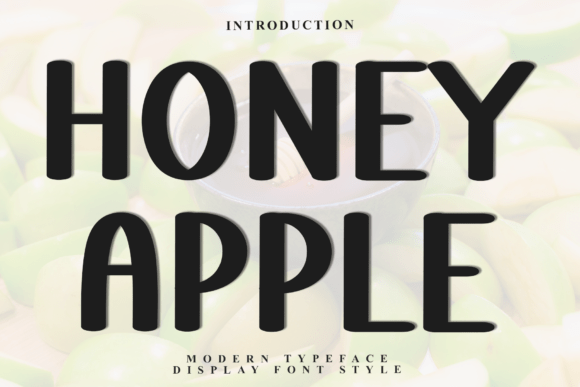
Honey Apple Display Font for Modern Web Design
When selecting Honey Apple, a beautiful and eye-catching font designed with a soft, unique touch, web designers immediately recognize its potential to elevate visual hierarchy in digital interfaces. Its distinctive strokes give it a special character, making it meaningful and versatile for future use across various digital platforms. As a premium display font, Honey Apple offers more than just aesthetic appeal; it provides a strategic tool for enhancing brand tone, improving user engagement, and creating memorable online experiences. For UI designers and digital product creators, integrating such a specialized typeface can transform generic layouts into polished, professional brand identities.
Honey Apple for Hero Sections and Landing Page Headers
The primary strength of Honey Apple lies in its ability to command attention without overwhelming the viewer, making it an ideal choice for hero sections on landing pages. In web design, the hero section is the first point of contact, and using a creative font like Honey Apple ensures that your headline stands out against complex backgrounds or high-quality imagery. The soft, rounded edges of the letters soften the overall tone of the page, which is particularly effective for brands aiming to appear approachable yet sophisticated. When paired with a clean sans-serif body text, Honey Apple creates a striking contrast that guides the user’s eye naturally toward the call-to-action buttons. This visual rhythm is crucial for conversion-focused layouts, where clarity and impact must coexist seamlessly.
Enhancing Brand Tone with Soft Typography
For boutique online stores, wellness coaches, or lifestyle bloggers, the personality of your typography speaks volumes before the user reads a single word of copy. Honey Apple brings a sense of warmth and authenticity to these spaces. Unlike harsh geometric sans-serifs or overly formal serifs, this display font strikes a balance that feels modern yet timeless. By incorporating Honey Apple into your brand kit, you establish a consistent online identity that resonates emotionally with visitors. The font’s unique character helps differentiate your site from competitors who rely on standard system fonts, adding a layer of custom design quality that signals professionalism and attention to detail.
Honey Apple in E-Commerce Banners and Product Displays
In the realm of e-commerce, visual appeal directly influences purchasing decisions. Using Honey Apple for promotional banners, sale announcements, or product category headers can significantly boost click-through rates. The font’s legibility at larger sizes ensures that key messages are instantly readable, even on mobile devices where screen space is limited. For digital product creators designing templates for Shopify or WooCommerce, including Honey Apple as an option adds value by providing clients with a ready-made solution for stylish, high-converting store designs. The font’s versatility allows it to work well on both light and dark backgrounds, provided that sufficient contrast is maintained for accessibility standards.
Optimizing Readability Across Devices
Responsive web design requires careful consideration of how fonts behave across different viewports. While Honey Apple is a decorative display font best suited for short phrases and headlines, its structure supports good readability when used correctly. Designers should avoid setting long paragraphs in Honey Apple, as its distinctive strokes may become fatiguing to read over extended periods. Instead, reserve it for titles, subheaders, and button labels. When scaling down for mobile screens, ensure that the font size remains large enough to be tapped easily and read clearly. Testing Honey Apple on various devices will reveal its adaptability, confirming its suitability for apps, websites, and digital ads alike.
Honey Apple for Creative Portfolios and Personal Brands
Creative professionals need their portfolios to reflect their artistic sensibility, and typography plays a pivotal role in this presentation. Honey Apple serves as an excellent accent font for personal branding, allowing designers, photographers, and artists to infuse their sites with personality. It works beautifully for name logos, signature quotes, or section dividers. The font’s soft touch aligns well with industries focused on aesthetics, such as fashion, interior design, and photography. By using Honey Apple strategically, you create a cohesive narrative throughout your portfolio, guiding visitors through your work with a consistent visual language that enhances trust and credibility.
Effective Font Pairing Strategies
To maximize the impact of Honey Apple, proper font pairing is essential. Since it is a display font with strong character, it pairs best with neutral, highly readable typefaces for body copy. A simple sans-serif font, such as Inter, Roboto, or Open Sans, complements Honey Apple by providing a calm backdrop that lets the decorative font shine. Alternatively, for a more editorial look, consider pairing it with a classic serif font that shares similar proportions but lacks the decorative flair. This combination creates a harmonious balance between elegance and functionality, ensuring that your content remains accessible while maintaining a high-end aesthetic. Always check the included styles and weights of Honey Apple to ensure you have enough variation to build a complete typographic scale for your project.
Honey Apple for Digital Marketing and Social Media Graphics
Beyond static websites, Honey Apple extends its utility into dynamic digital marketing materials. Social media graphics, email newsletters, and paid ad creatives benefit from the font’s eye-catching qualities. In crowded feeds, a post featuring Honey Apple is more likely to stop the scroll due to its unique shape and soft texture. For marketers and SaaS founders, using this font in branded assets reinforces recognition and consistency across all touchpoints. Whether designing a course sales page, a webinar banner, or a lead magnet cover, Honey Apple adds a touch of premium quality that can justify higher perceived value. Its versatility makes it suitable for a wide range of niches, from health and fitness to tech startups looking to humanize their brand voice.
Licensing and Commercial Use Considerations
Before implementing Honey Apple in client projects or commercial products, it is crucial to understand the licensing terms associated with the font. Most premium display fonts require specific licenses for web embedding, print usage, and merchandise. Ensure that the font package includes webfont files (WOFF/WOFF2) if you plan to embed it via CSS for optimal performance and cross-browser compatibility. Additionally, verify if the license covers multilingual support if your audience spans multiple regions. Proper licensing protects your business from legal issues and respects the intellectual property of the type designer. By investing in a licensed copy of Honey Apple, you gain access to regular updates, customer support, and peace of mind, knowing that your design assets are legally secure for future use.
Integrating Honey Apple into Your Workflow
Adopting Honey Apple into your design workflow begins with understanding its strengths as a display font. Start by defining the core message of your project and deciding where the font will have the most impact. Use it sparingly to highlight key elements rather than dominating the entire layout. Experiment with letter spacing, color contrasts, and background textures to find the perfect balance. For web designers, testing the font in different environments—such as over images, on solid colors, or within interactive components—will help refine its application. Ultimately, Honey Apple is not just a typeface; it is a design asset that can elevate the emotional resonance of your digital products, driving engagement and fostering a deeper connection with your audience.