Lightyellow Typeface: Elevating Campaign Visuals with Modern Elegance
The campaign deadline was looming, and I was staring at a grid of flat, uninspired social media posts that failed to stop the scroll. We were launching a new line of artisanal skincare products, and our visual identity needed to scream sophistication without shouting. That was the moment I realized our typography was the weak link. Standard sans-serifs felt too corporate, and heavy display fonts looked cluttered on mobile screens. I needed something that balanced avant-garde flair with immediate readability. That is when I integrated Lightyellow into our workflow. It wasn’t just a font choice; it became the strategic anchor for our entire digital presence.
Why Lightyellow Defines Modern Display Typography
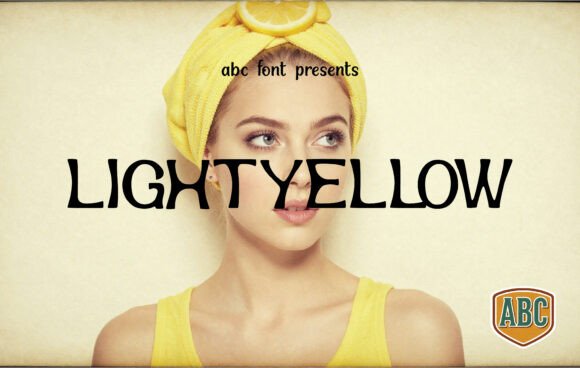
When you first load Lightyellow, its elongated, slim serif design immediately commands attention in a way that feels both sophisticated and distinctly modern. As a marketing specialist, I look for typefaces that carry personality without demanding excessive screen real estate. This Display font excels because its sharp, refined letterforms create an air of exclusivity that resonates with high-end audiences. Unlike bulky headlines that compete with imagery, Lightyellow acts as a subtle yet powerful accent that enhances the product rather than overshadowing it. The font’s unique character set allows it to function not just as text, but as a graphic element itself, which is crucial for creating memorable brand assets in crowded digital feeds.
Optimizing Social Media Graphics with Slim Serif Aesthetics
In the fast-paced world of Instagram and Pinterest, visual hierarchy determines whether a user engages or scrolls past. Using Lightyellow for our Instagram carousel headers transformed our content strategy. The font’s narrow proportions allowed us to fit longer, benefit-driven headlines into smaller square formats without sacrificing legibility. For instance, instead of a generic "Sale" banner, we used Lightyellow to craft phrases like "Elevate Your Ritual," where the sharp serifs added a touch of editorial polish. This approach worked exceptionally well for Pinterest pins as well, where vertical space is premium. The font’s elegance ensured that even small thumbnail previews retained a sense of luxury, driving higher click-through rates from users who associated the clean aesthetic with quality products.
Enhancing Email Marketing and Web Banners
Email open rates often hinge on the subject line and preview text, but conversion happens within the email body. When redesigning our weekly newsletter, I swapped out our standard bold headers for Lightyellow. The result was a cleaner, more breathable layout that reduced cognitive load for readers. Because this Fonts family features such distinct, sharp lines, it stands out beautifully against minimalist backgrounds. We tested two variations: one with a white background for our main announcements and another overlaid on dark, moody photography for our product spotlights. In both scenarios, the lightweight nature of the typeface prevented the design from feeling heavy or dated. It provided a perfect balance between authority and approachability, encouraging subscribers to read through to the call-to-action buttons.
Building Brand Recognition Through Consistent Type Usage
Brand consistency is not just about logos; it is about how your message looks across every touchpoint. By adopting Lightyellow as our primary display typeface, we created a recognizable visual signature. Whether it was a YouTube video thumbnail for our behind-the-scenes content or a promotional graphic for our online shop, the font provided a unifying thread. The sharp, avant-garde edges of the letters signaled that our brand was forward-thinking and detail-oriented. This consistency helped build trust with our audience, as they began to associate the elegant serif style with our commitment to quality. Over time, simply seeing those distinctive thin stems and sharp terminals triggered brand recognition before the logo even came into view.
Practical Tips for Mobile-First Readability
Designing for mobile requires a different mindset than desktop design, especially when using decorative Display fonts. My experience with Lightyellow taught me that size and contrast are critical. While the font is naturally slender, I found that increasing the point size slightly and ensuring high contrast against the background maintained readability on smaller screens. For our Facebook ad sets, I avoided placing text over busy images. Instead, I used solid color blocks or blurred backgrounds to ensure the sharp serifs remained crisp. This technique preserved the font’s intended elegance while guaranteeing that the message was clear even in a split-second glance. Testing these layouts on actual devices revealed that Lightyellow performed best when used for short, punchy headlines rather than long paragraphs.
Strategic Font Pairing for Complete Design Systems
No single font can do everything, and Lightyellow is no exception. Its strength lies in its role as a headline or accent type. To build a complete typographic system, I paired Lightyellow with a clean, neutral sans-serif for body copy and supporting details. This combination leveraged the best of both worlds: the emotional appeal and visual interest of the serif display font, and the functional clarity of the sans-serif. For example, in our webinar promotions, Lightyellow handled the event title and date, while the sans-serif detailed the agenda and speaker bios. This hierarchy guided the viewer’s eye logically, ensuring that the most important information was noticed first. The contrast between the sharp, artistic serif and the utilitarian sans-serif created a dynamic tension that kept the designs feeling fresh and professional.
Licensing and Commercial Use Considerations
Before deploying any Fonts in a commercial campaign, verifying licensing is essential. Lightyellow offers robust options for commercial use, which gave our team the confidence to apply it across various channels, including merchandise, client campaigns, and digital products. I always recommend checking for included styles, alternates, and ligatures, as these small details can elevate a design from good to great. Ensuring multilingual support was also a priority for our global reach, and Lightyellow’s extensive character set accommodated our diverse audience needs. By securing the proper commercial license upfront, we avoided potential legal issues and could focus entirely on maximizing the font’s creative potential. This due diligence allowed us to integrate Lightyellow seamlessly into our branded templates and asset libraries, ensuring consistent application across all future projects.
Integrating Lightyellow into Your Next Campaign Workflow
The decision to switch to Lightyellow was not just an aesthetic upgrade; it was a strategic move to improve communication clarity and brand perception. By leveraging its modern elegance and sharp design, we were able to create visuals that stopped the scroll and engaged our audience on a deeper level. Whether you are designing a seasonal sale, a product teaser, or a series of educational reels, this typeface offers the versatility needed to make your message stand out. Marketers and designers looking to add a touch of sophisticated flair to their toolkit will find Lightyellow to be an invaluable resource. It proves that sometimes, less is more, and a well-chosen serif can speak volumes about your brand’s identity.