Makeover Typeface: A Handwritten Display Font for Digital Branding
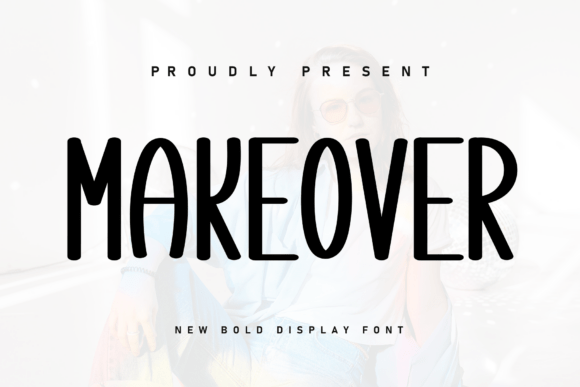
When selecting a handwritten font that looks like it was drawn with a marker, designers often struggle to find one that balances personality with digital legibility. Makeover is a handwritten font that looks like it was drawn with a marker. Having a relaxed and sporty feel, it is very suitable for branding, logos, wedding supplies, greeting cards, fashion, lookboo. This specific character set allows web designers to inject immediate energy and approachability into high-stakes visual hierarchies without sacrificing the clean structure required for modern user interfaces.
Why Makeover Works for Modern Web Design Headers
In the realm of display typography, capturing attention within the first three seconds of a page load is critical. Makeover excels in hero sections where bold, expressive type needs to anchor the user’s gaze. Unlike rigid geometric sans serifs or overly ornate scripts that can become illegible on smaller screens, this marker-style aesthetic offers a tactile quality that feels human and authentic. For UI designers building landing pages or conversion-focused layouts, using Makeover as a primary headline font creates an instant emotional connection. It suggests informality and creativity, which is particularly effective for brands in the fashion, lifestyle, or creative services sectors. The font’s natural flow guides the eye downward, supporting a clear visual hierarchy that leads users toward call-to-action buttons and key value propositions.
Enhancing Visual Hierarchy with Marker-Style Typography
Effective web design relies on distinct typographic scales to guide scanning behavior. Makeover provides a unique texture that stands out against standard body copy fonts. When paired with a neutral sans serif font for paragraph text, the contrast creates a sophisticated yet accessible editorial design style. The "sporty" aspect of its feel ensures that even large display sizes do not feel heavy or oppressive. Instead, the open counters and varied stroke widths inherent in a marker-drawn style maintain readability even when scaled up for mobile devices. This makes it an excellent choice for section headers in blog posts, course sales pages, or portfolio sites where you want to break up dense content with visually engaging accents.
Makeover for Fashion and Lifestyle Brand Identities
The description notes that Makeover is very suitable for branding, logos, and fashion. For digital product creators and online store owners, establishing a consistent brand identity across all touchpoints is paramount. Using a distinctive font like Makeover helps differentiate a boutique e-commerce site from generic template-based stores. Imagine a landing page for a streetwear brand or a handmade jewelry shop; the marker aesthetic communicates craftsmanship, individuality, and a youthful vibe. It works exceptionally well for lookbook presentations, where the typography complements high-quality imagery without competing for attention. By integrating this font into your logo design or social media graphics, you create a cohesive narrative that resonates with audiences seeking authenticity over corporate polish.
Applying Makeover to Digital Product Assets
Beyond static websites, this typeface is versatile enough for various digital assets. Designers creating digital templates, such as Notion dashboards, Canva templates, or eBook covers, can leverage Makeover to add a personal touch. Its relaxed nature makes it ideal for motivational quotes, chapter titles, or decorative elements in digital planners. Because it mimics a real-world medium (the marker), it adds a layer of perceived value and care to digital products. Users are more likely to engage with content that feels curated and human-made rather than algorithmically generated. Incorporating Makeover into these assets signals to the buyer that attention to detail is a core part of the creator’s workflow.
Readability and Responsive Design Considerations
While artistic flair is important, usability remains the cornerstone of web design. When implementing a handwritten font, designers must be mindful of responsive behavior. Makeover performs best when used sparingly for short phrases, headlines, and impactful statements rather than long-form body text. On mobile screens, where space is limited, large weights of this font can dominate the viewport if not managed correctly. To maintain optimal readability, ensure sufficient line height and letter spacing. Pairing it with a highly legible sans serif font for navigation menus and detailed descriptions ensures that the site remains functional for all users, including those relying on screen readers or assistive technologies. Testing the font against both dark and light backgrounds is also crucial; the marker effect may lose definition on low-contrast images, so always verify legibility before finalizing your color palette.
Font Pairing Strategies for Balanced Layouts
To achieve a professional finish, balance the organic chaos of Makeover with structured typography. A common strategy is to use Makeover for H1 and H2 tags while reserving a clean, geometric sans serif for H3 tags and body copy. This combination leverages the strengths of both typefaces: the emotional appeal of the display font and the clarity of the functional font. For brands aiming for a more editorial or sophisticated look, pairing with a classic serif font can create a striking juxtaposition between the casual marker style and formal print aesthetics. This hybrid approach is trendy in modern web design, allowing for dynamic layouts that feel both contemporary and timeless. Always check the included styles and weights of the font family to ensure you have enough variation to build a complete typographic system without cluttering the codebase.
Commercial Licensing and Implementation Best Practices
For freelancers and agencies, understanding licensing is essential. Before deploying Makeover on client projects, online stores, or SaaS platforms, verify the commercial font license terms. Most premium fonts require separate licenses for web embedding (webfonts) versus desktop use. Ensuring compliance protects your business from legal issues and supports the type foundry. When implementing the font via CSS, optimize file formats (such as WOFF2) to minimize load times and preserve performance scores. Use @font-face rules strategically, loading only the necessary character sets if multilingual support is not required. This technical diligence complements the creative application of the font, ensuring that the visual impact of Makeover is delivered efficiently to every user, regardless of their device or connection speed.
Integrating Makeover into Conversion-Focused Designs
Ultimately, typography influences conversion rates by shaping user perception. A well-chosen display font can reinforce trust and encourage action. By using Makeover in strategic locations—such as above a "Shop Now" button or as a header for a testimonial section—you subtly guide the user’s journey. The relaxed and sporty feel reduces friction and anxiety, making the purchasing process feel less transactional and more experiential. Whether you are designing a wedding invitation website, a coaching platform, or a fashion lookbook, this font provides the perfect blend of style and substance. Embrace its marker-drawn charm to create digital experiences that stand out in a crowded online marketplace.