Nakila: A Bold Display Font for Impactful Editorial Design
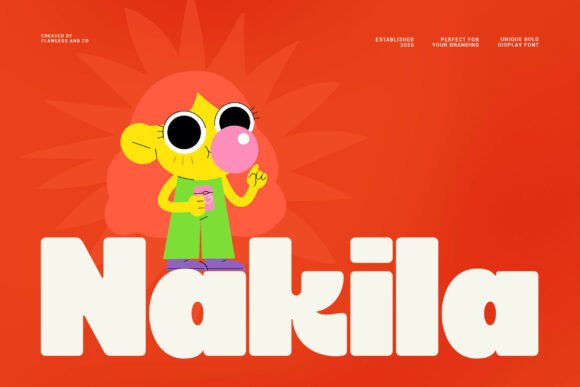
The cursor blinks on a blank canvas. It is 10 PM, and the deadline for the upcoming lifestyle magazine feature is looming. The layout is clean, the photography is stunning, but the typography feels flat. The headlines lack the necessary weight to command attention in a crowded digital feed. This is a familiar moment for any editorial designer or publisher who has ever struggled to balance aesthetic flair with content clarity. In these moments, the choice of typeface ceases to be merely decorative; it becomes the backbone of communication. That is when I turned to Nakila, a distinctive bold display font designed to deliver a strong and memorable visual impact. With its unique letterforms, thick strokes, and eye-catching style, Nakila stands out effortlessly in high-stakes design environments.
Nakila for Magazine Covers and Digital Headers
When evaluating Nakila for use in prominent publication spaces, the immediate observation is its commanding presence. As a premium display font, it is engineered to arrest the eye rather than recede into the background. I tested this by applying the typeface to the masthead of a digital newsletter redesign. The goal was to create an instant brand recognition element that would look equally compelling on a mobile screen as it did on a large desktop monitor. The thick strokes of Nakila provide substantial visual weight, ensuring that the title remains legible even at smaller sizes on mobile devices. Unlike delicate serif fonts that can disappear against busy photographic backgrounds, Nakila’s bold geometry creates a clear separation between the headline and the imagery. This makes it an exceptional choice for creating consistent brand identity across various platforms, from social media graphics to email headers.
The rhythm of the letterforms introduces a modern, confident tone that aligns well with contemporary publishing trends. It does not rely on ornate details or historical references, which allows it to feel fresh and relevant. For bloggers and independent publishers looking to elevate their site’s visual hierarchy, using Nakila for main article titles or section dividers can significantly increase reader engagement. The font’s ability to stand out effortlessly encourages users to pause and read, transforming passive scrollers into active readers. Its versatility ensures that it serves as a powerful tool for establishing authority and professionalism in any editorial layout.
Nakila in Printable Planners and Workbook Design
Beyond digital screens, the application of Nakila extends effectively into physical print products, particularly within the growing market of digital downloads and printable guides. During a recent project involving a coaching workbook, the need arose for chapter headings that felt structured yet inspiring. Standard sans serif fonts often felt too corporate, while script fonts lacked the necessary rigidity for instructional content. Nakila provided the perfect middle ground. Its distinctive character adds personality without sacrificing readability, making complex information feel approachable.
- Worksheet Titles: The bold weight of Nakila clearly demarcates different sections of a worksheet, helping users navigate through exercises with ease.
- Checklists and Prompts: When used for key action items, the font draws attention to critical tasks, improving the functional utility of the document.
- Cover Pages: For standalone PDFs or ebook covers, Nakila offers a polished, professional finish that justifies the perceived value of the product.
This practical application highlights why Nakila is more than just a creative font; it is a functional design asset. The thick strokes ensure that ink coverage is even, reducing the risk of bleeding in low-quality prints. For creators selling templates on platforms like Etsy or Gumroad, having a typeface that looks good in both digital previews and printed outputs is crucial. Nakila supports this dual requirement, offering a reliable solution for designers who need consistency across their entire product line.
Nakila for Wedding Guides and Lifestyle Branding
In the realm of lifestyle branding, mood is everything. Whether designing a wedding guide, a recipe ebook, or a travel journal, the typography must evoke a specific emotional response. I found that Nakila brings a sense of grounded elegance to these projects. While many might assume a bold display font is too aggressive for romantic or soft themes, Nakila’s unique letterforms soften its intensity through balanced proportions. It avoids the sharp, angular edges of some geometric sans serifs, offering curves that feel organic and inviting.
For wedding planners and event coordinators, Nakila can be used to create cohesive branding materials. Imagine a save-the-date card where the names are set in Nakila, paired with a lighter, elegant serif font for the body text. The contrast creates a sophisticated hierarchy that guides the guest’s eye naturally through the information. Similarly, in recipe ebooks, using Nakila for dish names adds a touch of culinary confidence, distinguishing the title from the ingredient list. This strategic use of fonts helps build a stronger connection with the audience, as the visual language reinforces the quality and care put into the content. The font’s ability to adapt to different contexts—from formal invitations to casual blog posts—makes it a versatile addition to any designer’s toolkit.
Readability Considerations and Font Pairing Strategies
While Nakila excels in headlines and display roles, understanding its limitations is key to effective editorial design. It is not intended for body copy, dense paragraphs, or small captions. The thick strokes and bold nature of the typeface can cause fatigue during long reading sessions, reducing overall comprehension. To maintain readability, it is essential to pair Nakila with a highly legible serif font or a clean sans serif font for the main text. For instance, pairing Nakila with a classic Garamond or a modern Open Sans creates a harmonious balance between impact and comfort.
This pairing strategy enhances the overall structure of the publication. The display font captures attention, while the body font facilitates smooth reading. When designing for web, this combination also aids in accessibility, ensuring that content meets WCAG standards for contrast and legibility. Additionally, designers should check the included styles, alternates, and ligatures before implementing the font. Some versions of Nakila may offer stylistic sets that allow for slight variations in character shapes, adding further customization options. Always verify commercial font licensing if you plan to use the typeface in paid newsletters, client publications, or digital downloads. Proper licensing ensures legal compliance and supports the continued development of high-quality design assets.
Nakila for Pull Quotes and Section Headings
One of the most effective ways to integrate Nakila into long-form content is through the use of pull quotes and subheadings. These elements break up walls of text and provide visual relief for the reader. By setting a key insight or quote in Nakila, designers can emphasize the core message of an article. The font’s boldness ensures that even a short phrase commands attention, encouraging readers to engage deeper with the content. In digital magazines, this technique improves scanability, allowing users to quickly grasp the main points before committing to a full read.
Furthermore, Nakila works well as a decorative accent in editorial layouts. Using it sparingly for single words or initials can add a bespoke touch to page designs. For example, dropping a large initial letter in Nakila at the start of a chapter can create a striking opening image. This attention to detail demonstrates a commitment to quality, which resonates with discerning audiences. Whether you are redesigning a blog header, building a worksheet layout, or creating a newsletter graphic, Nakila offers the visual punch needed to make your content stand out in a saturated market.
Final Implementation Tips for Creators
To maximize the potential of Nakila, consider the context of your publication. Use it where impact is paramount, such as cover text, logo design elements, or packaging design accents. Avoid overusing it in areas requiring subtle communication. Test the font at various sizes to ensure it maintains its integrity across different media. Remember that good modern typography is about balance; let Nakila be the voice that speaks loudly, while your other typefaces handle the conversation. By integrating Nakila thoughtfully into your workflow, you can enhance your publication identity and create a more engaging experience for your readers.