Nicholas: The Bold Display Typeface for High-Impact Campaigns
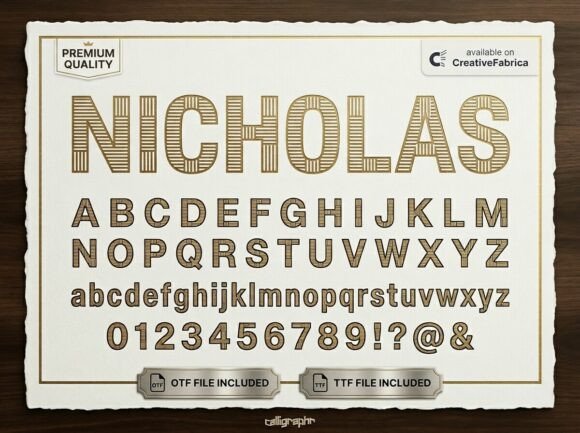
The clock is ticking on the product launch. I’m staring at a blank canvas, trying to design a hero banner that stops the scroll in a crowded Instagram feed. The previous draft felt flat—safe, but forgettable. That’s when I decided to pivot away from standard sans-serifs and reach for something with actual personality. I pulled up Nicholas, a stunning decorative display font designed to be the center of attention. Within minutes, the entire composition shifted. The message wasn’t just readable; it was commanding. This isn’t just about picking a typeface; it’s about choosing a visual voice that cuts through the noise of digital advertising.
Why Nicholas Stands Out in Modern Typography Workflows
When you are building a campaign from scratch, the typography sets the emotional tone before the user even reads the copy. Nicholas is not a body-text font; it is a powerful display tool crafted for creators who want their brand to feel premium, artistic, and unmistakably bold. Its unique artistic elements give it a strong visual personality that instantly elevates simple graphics into polished marketing assets. In a sea of uniform Helvetica and Arial, using a creative font like Nicholas signals that your brand pays attention to detail and values aesthetic distinction. It transforms a basic headline into an event, drawing the eye immediately to the most critical part of your message.
This font excels in environments where first impressions matter most. Whether you are designing a landing page header or a promotional social post, the intricate details of Nicholas add depth without clutter. It brings a sense of editorial elegance mixed with modern edge, making it versatile enough for high-end fashion launches, artisanal food brands, or creative agency portfolios. By integrating this typeface into your design system, you are investing in a visual hierarchy that guides the viewer’s eye naturally toward your call-to-action.
Nicholas for Social Media Graphics and Digital Ads
Social media is a fast-scrolling battlefield, and clarity is king. When I was preparing a week-long teaser campaign for a new digital course, I needed text that could be read instantly on mobile screens while still looking sophisticated on desktop. Nicholas proved to be the perfect solution for these dynamic display contexts. Its bold strokes and distinctive character shapes remain legible even at smaller sizes, provided they are used correctly as headlines rather than paragraphs.
- Instagram Posts and Stories: Use Nicholas for the main hook text. Pair it with ample negative space to let the decorative elements breathe. It works exceptionally well for quote graphics, sale announcements, and milestone celebrations.
- YouTube Thumbnails: For video content, text must compete with complex backgrounds. The strong visual personality of Nicholas ensures that your title pops against busy images, increasing click-through rates by creating immediate curiosity.
- Pinterest Pins: Pinterest users scan visually. A pin featuring Nicholas as a decorative title stands out in the grid, signaling high-quality content and encouraging saves and clicks.
In my workflow, I often use Nicholas for short, punchy headlines—three to five words max—and pair them with a clean, neutral sans-serif for supporting details. This combination balances style with readability, ensuring that the audience gets the vibe without struggling to decode the information.
Nicholas for Brand Identity and Web Design Headers
Building a cohesive brand identity requires more than just a logo; it requires a consistent typographic language. Nicholas can serve as the anchor for a brand’s editorial design, adding a touch of luxury and artistry to web design projects. I recently used it for an online shop’s homepage banner, where it replaced a generic header font. The result was an immediate upgrade in perceived value. Customers associate high-quality typography with high-quality products.
For web designers, using Nicholas in hero sections creates a memorable entry point. It works beautifully for website banners, navigation labels (if kept brief), and section dividers. However, because it is a display font, it demands respect in its usage. It should not be overused. Instead, treat it as a spotlight. Let it shine on key messages like “New Collection,” “Limited Edition,” or “Free Shipping.” This strategic placement reinforces brand recognition and makes your promotional content feel curated rather than mass-produced.
Font Pairing Strategies for Maximum Impact
A common mistake marketers make is letting the decorative font do all the heavy lifting. To maximize the effectiveness of Nicholas, you need to understand how it interacts with other typefaces. The best results come from pairing its ornate, bold nature with simplicity. A clean sans-serif font acts as the perfect foil, grounding the design and ensuring that the fine print remains accessible.
- Pair with Sans-Serif: Combine Nicholas with a geometric or humanist sans-serif for body text. This contrast highlights the decorative elements of Nicholas while maintaining professional readability.
- Pair with Serif: For a more traditional or literary feel, pair Nicholas with a classic serif font. This combination evokes heritage and trust, ideal for wedding invitations, elegant branding, or luxury goods.
- Avoid Competing Scripts: Do not pair Nicholas with other script or handwritten fonts. Both have strong personalities and will clash, creating visual chaos that confuses the reader.
This approach ensures that your design assets maintain a clear hierarchy. The viewer sees the Nicholas headline, feels the emotional impact, and then moves to the supporting text for details. This flow is crucial for conversion, as it reduces cognitive load and keeps the user engaged with your content.
Technical Considerations for Commercial Use
Before dropping Nicholas into your final campaign files, there are practical steps every creator should take. First, check the included styles, alternates, and ligatures. Many modern display fonts offer multiple weights or special characters that can enhance your design. Using these variations adds professionalism and prevents your work from looking like a basic template.
Always verify the file formats and multilingual support. If your campaign targets international audiences, ensure the font includes necessary accent marks and special characters. Furthermore, review the commercial font licensing terms carefully. Are you allowed to use Nicholas in client campaigns? Can it be embedded in digital products or printed on merchandise? Understanding these restrictions protects your business and ensures ethical use of design assets.
Finally, test your designs across devices. What looks stunning on a 4K monitor might lose detail on a smartphone screen. Zoom out, view your graphics at thumbnail size, and adjust the tracking or leading if necessary. Nicholas is designed to be seen, so ensure it retains its integrity wherever your audience encounters it. By treating typography as a strategic component of your marketing workflow, you transform simple text into a powerful driver of engagement and sales.