Strong Romeo Typeface: Retro-Modern Display Fonts for Editorial Design
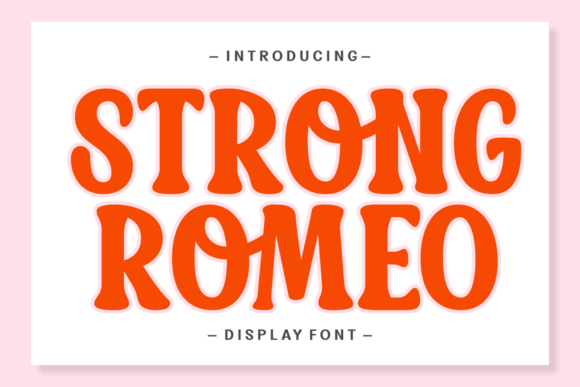
Introducing Strong Romeo, a retro-modern masterpiece that brilliantly combines the groovy ambiance of the 70s with a bold, contemporary edge. This funky and playful typeface is full of personality, be it in your latest digital newsletter or a printed magazine spread. For editorial designers and content creators seeking to inject nostalgia without sacrificing readability, finding the right Display Fonts can make or break a layout. Strong Romeo offers a unique solution by bridging the gap between vintage charm and modern typographic standards.
Strong Romeo for Magazine Covers and Digital Headers
The first impression of any publication relies heavily on its headline typography. When you need to grab attention instantly, Strong Romeo serves as an exceptional choice for magazine covers and high-impact digital headers. Its bold, contemporary edge ensures that titles stand out against complex background images or clean white space alike. The font’s inherent playfulness allows editors to convey mood before the reader even processes the text. Whether you are designing a lifestyle blog header or a feature article title, this typeface adds a layer of visual interest that standard sans-serif fonts often lack. By utilizing Strong Romeo for section headings, you create a distinct visual hierarchy that guides the eye naturally through the content.
- Visual Impact: The heavy weight of Strong Romeo commands attention, making it ideal for main headlines where legibility at large sizes is crucial.
- Nostalgic Appeal: The 70s-inspired curves evoke warmth and familiarity, which can increase reader engagement on social media platforms like Instagram and Pinterest.
- Versatility: Despite its strong character, the letterforms remain open and clear, preventing visual clutter in dense layouts.
Strong Romeo in Ebook Titles and Chapter Openers
Publishers and self-publishing authors often struggle to maintain brand consistency across their ebook series. Using a distinctive display font like Strong Romeo helps establish a recognizable brand identity for your literary works. It is particularly effective for chapter openers, where a single line of text sets the tone for the narrative. Unlike traditional serif fonts that might feel too academic, Strong Romeo brings a creative flair that appeals to modern readers. For genre fiction, particularly those leaning towards cozy mysteries, romance, or lifestyle non-fiction, the font’s friendly yet bold nature aligns perfectly with the expected reading experience. It transforms standard page breaks into design moments that enhance the overall aesthetic of the book.
- Brand Consistency: Use Strong Romeo for all ebook cover titles to create a cohesive look across your entire catalog.
- Reader Engagement: Chapter openers featuring this font can serve as visual anchors, helping readers navigate long-form content more easily.
- Market Differentiation: Stand out in crowded digital marketplaces by using a typeface that feels curated and intentional rather than default.
Strong Romeo for Newsletter Graphics and Social Media
In the fast-paced world of digital marketing, newsletters and social media graphics must communicate quickly and effectively. Strong Romeo is perfectly suited for quote graphics, pull quotes, and key takeaways within email campaigns. Its funky and playful nature cuts through the noise of busy inboxes, encouraging subscribers to pause and read. When designing lead magnets or downloadable worksheets, incorporating Strong Romeo for subheadings adds a touch of professionalism mixed with approachability. The font’s ability to blend retro vibes with modern edges makes it versatile enough for various industries, from wellness coaching to tech startups. By pairing this display font with a clean sans serif font for body copy, you ensure that the primary message remains readable while the accents provide stylistic flair.
Pairing Strategies for Editorial Layouts
To maximize the effectiveness of Strong Romeo, strategic font pairing is essential. Since it is a display font, it should generally not be used for long paragraphs of body text. Instead, pair it with a highly readable serif font for articles and a neutral sans serif font for captions, navigation menus, and metadata. This combination creates a balanced typographic scale that enhances usability. For instance, using a classic serif for body copy provides comfort during extended reading sessions, while Strong Romeo adds bursts of energy at strategic points. This contrast ensures that the design remains sophisticated and accessible, catering to both aesthetic preferences and functional needs.
Strong Romeo for Printable Guides and Workbooks
Digital product creators rely on printables such as planners, journals, and educational workbooks to generate passive income. These materials require a balance of structure and personality to keep users engaged. Strong Romeo excels in this environment by providing clear, bold labels for sections, dates, and task lists. Its retro-modern style adds a premium feel to freebies and paid downloads, increasing perceived value. When designing printable guides, use Strong Romeo for major headings and call-out boxes. This helps organize information visually, making complex data easier to digest. The font’s legibility in print ensures that users have a positive physical interaction with your product, which is crucial for maintaining customer satisfaction and encouraging repeat purchases.
Commercial Licensing and Usage Rights
For professional designers and publishers, understanding licensing is critical when integrating Strong Romeo into commercial projects. Ensure that your license covers all intended uses, including digital publications, print-on-demand items, and client work. Many premium fonts offer comprehensive rights for web, app, and broadcast usage, but it is always wise to verify specific terms regarding resale items like templates and ebooks. By securing proper licensing, you protect your business from legal issues and support the type designer. Investing in a high-quality, well-documented font like Strong Romeo pays dividends in terms of design flexibility and legal safety. Always check for included styles, alternates, and multilingual support to ensure the font meets the diverse needs of your global audience.
Technical Considerations for Screen and Print
When deploying Strong Romeo across different mediums, consider the technical aspects of rendering. On screens, especially mobile devices, ensure that the font loads efficiently to prevent layout shifts. Using web-safe fallbacks or optimizing font files can improve performance. In print, the bold strokes of Strong Romeo may require slight adjustments to tracking to avoid ink bleed, particularly in offset printing. Testing proofs on actual paper stock helps determine if the font’s details hold up under physical reproduction. Additionally, checking the font’s kerning pairs ensures that combinations of letters sit harmoniously, maintaining the professional polish expected in editorial design. Attention to these technical details elevates the final output, ensuring that the retro-modern aesthetic translates seamlessly from screen to page.