Chubby Soda Font Review: Retro Bubble Typography for Playful Editorial Design
I remember sitting at my desk last Tuesday, staring at a blank InDesign file for a new lifestyle newsletter. The content was solid—warm, inviting, and community-focused—but the typography felt cold. I needed something that could bridge the gap between professional editorial structure and approachable, human-centric storytelling. That is when I pulled Chubby Soda into the mix. As a display font with a distinct retro-inspired personality, it immediately shifted the mood of the layout from sterile to spirited. If you are an independent publisher or digital creator looking to inject warmth into your publication identity, understanding how this typeface functions in real-world layouts is essential.
Chubby Soda as a Display Font for Lifestyle Blog Headers
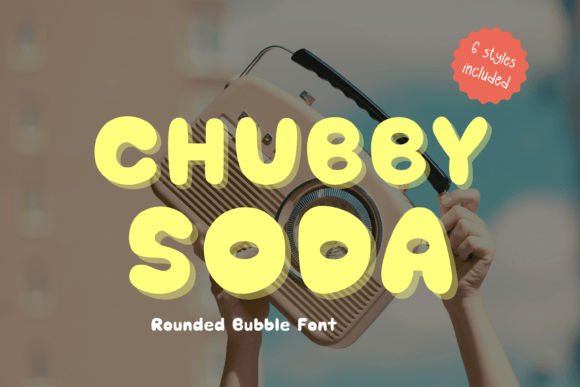
When evaluating Chubby Soda, it is crucial to recognize its primary classification as a display font. This means it is engineered for impact rather than volume. In my recent test for a weekend recipe ebook, I used Chubby Soda for the main title spread. The rounded bubble style creates an immediate sense of friendliness and nostalgia, which aligns perfectly with the cozy aesthetic of home cooking content. Unlike rigid geometric sans serif fonts, the bouncy rhythm of these letters invites the reader in, reducing the cognitive load associated with formal reading environments.
The font’s six playful styles offer enough variation to maintain visual interest without overwhelming the design. For blog headers and social media graphics, this versatility allows creators to switch weights or styles to emphasize different parts of a headline. However, because it is a creative font designed for attention-grabbing moments, it works best when applied sparingly. Using Chubby Soda for subheads or pull quotes can effectively break up dense text blocks, guiding the eye through the article while maintaining a consistent, cheerful brand identity.
Visual Hierarchy and Reader Attention in Digital Layouts
In editorial design, establishing clear visual hierarchy is non-negotiable. Chubby Soda excels at anchoring key information. During a redesign of a coaching workbook PDF, I utilized the boldest weight of the font for chapter openers. The thick, rounded forms provided a strong contrast against the lighter body copy, ensuring that navigation within the document remained intuitive. This use case highlights why choosing the right fonts for structural elements matters; the font does not just decorate—it organizes.
For mobile layouts, where screen space is limited, the legibility of display fonts can be tricky. Chubby Soda’s generous x-height and open counters ensure that even at smaller sizes, the characters remain distinct. This makes it suitable for email newsletter headers where capturing attention quickly is vital. When paired correctly, it prevents the "wall of text" effect that often leads to high bounce rates on content-heavy sites.
Font Pairing Strategies for Modern Typography Projects
No single typeface can carry every aspect of a publication. A common mistake I see is using expressive display fonts for body copy, which quickly fatigues the reader. To leverage Chubby Soda effectively, it must be paired with a neutral, highly readable typeface. In my workflow, I consistently pair Chubby Soda with a clean sans serif font for captions, navigation menus, and body paragraphs. This combination balances the whimsy of the header with the clarity required for long-form reading.
For more traditional editorial projects, such as a wedding guide or a literary magazine feature, pairing Chubby Soda with a classic serif font can create a charming juxtaposition. The softness of the bubble letters contrasts beautifully with the sharp serifs, creating a sophisticated yet approachable mood. This strategy supports modern typography trends that favor mixed-type approaches over monolithic font families. It allows designers to maintain publication identity through distinctive headers while ensuring that the actual content remains accessible and comfortable to read.
Enhancing Brand Identity Through Consistent Use
Consistency is the backbone of strong brand identity. By restricting the use of Chubby Soda to specific zones—such as cover text, section dividers, and decorative accents—you create a recognizable visual signature. I applied this rule when designing a printable planner for small business owners. The bold, bubbly titles signaled fun and productivity, while the structured grid and neutral secondary fonts ensured the planning tools remained functional. This deliberate restraint prevented the design from feeling chaotic, proving that even playful design assets require disciplined application.
Practical Applications in Digital Products and Printables
Beyond standard articles, Chubby Soda has found a robust niche in the digital product market. Creators selling templates on platforms like Etsy often look for fonts that convey personality instantly. The retro vibe of Chubby Soda resonates well with audiences interested in vintage aesthetics, wellness, and creative hobbies. When used in thumbnail images for course PDFs or digital downloads, the font stands out in crowded marketplaces, increasing click-through rates simply by virtue of its unique character.
For print materials, such as zines, flyers, or event posters, the font’s physical presence translates well. The rounded edges soften the message, making it feel less like a corporate announcement and more like a personal invitation. However, it is important to consider the medium. While excellent for large-format prints and high-resolution exports, the intricate details of some bubble styles might lose definition if scaled down too much for tiny labels or fine print. Always test your chosen size before finalizing the export.
Technical Considerations for Commercial Licensing
Before integrating Chubby Soda into any commercial project, verifying the license terms is a critical step. Most premium fonts come with specific guidelines regarding how many end products can bear the logo or name. For instance, using the font in a limited-run printed booklet may have different requirements than embedding it in a downloadable template sold indefinitely. Ensure you have the appropriate commercial license to avoid legal issues, especially when distributing paid newsletters or client publications.
Additionally, check for included features such as ligatures, alternates, and multilingual support. These extras can significantly expand the utility of the font in diverse editorial contexts. Having access to varied glyphs allows for more nuanced design solutions, enabling you to tailor the tone precisely to your audience. Whether you are building a brand identity for a new startup or refreshing an existing blog, investing time in understanding the technical capabilities of your typeface ensures a smoother production process.
Evaluating Readability for Long-Form Content
While Chubby Soda is undeniably charming, it is not a substitute for body copy. Its expressive nature is designed to stop the scroll, not to sustain a 5,000-word essay. Readers expect consistency and ease of processing when engaging with long-form content. Using a display font for paragraphs disrupts the reading flow, causing eyes to stumble over the irregular shapes. Therefore, reserve Chubby Soda for headlines, pull quotes, and introductory blurbs where emotional resonance is prioritized over rapid information consumption.
This distinction is particularly important for accessibility. Screen readers do not care about the shape of the letters, but human readers do. Clear, unadorned typefaces reduce visual noise, allowing the content itself to take center stage. By using Chubby Soda strategically as an accent, you enhance the overall user experience without compromising usability. It serves as the garnish on the dish, not the meal itself—adding flavor and appeal while letting the substance shine through.
Final Thoughts on Editorial Mood and Engagement
In conclusion, Chubby Soda is a powerful tool for editors and designers who want to infuse their work with joy and nostalgia. Its ability to transform a mundane layout into an engaging visual experience makes it invaluable for lifestyle brands, educators, and creatives. By respecting its limitations as a display font and pairing it wisely with neutral companions, you can create publications that are both aesthetically pleasing and functionally sound. If your goal is to build a warm, inviting connection with your audience, this retro-inspired bubble font offers a delightful solution.